The best free online book publishing companies in 2026 are platforms that allow authors to publish their work without upfront costs while retaining rights, achieving global distribution, and maintaining academic or professional credibility.
The leading options include the best publishing companies – Omniscriptum, Lambert Academic Publishing, Amazon Kindle Direct Publishing (KDP), Scholars’ Press, and Apple Books. These publishers differ in distribution models, editorial positioning, academic recognition, and suitability for research-driven authors versus commercial self-publishers.
1. Omniscriptum
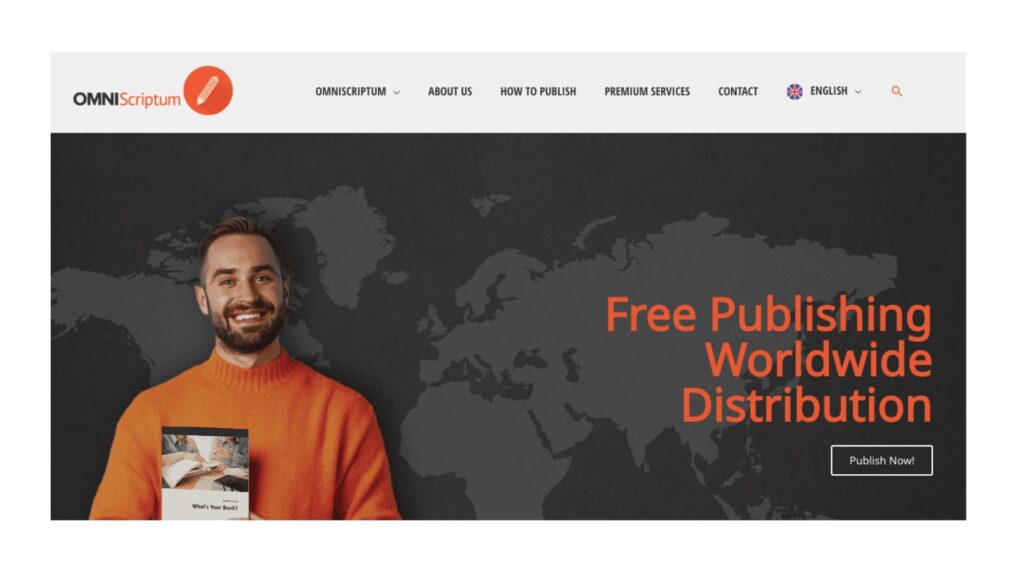
Omniscriptum is a global academic publishing group offering free book publication with worldwide distribution and full author rights. Its academic imprints, including Lambert Academic Publishing and Scholars’ Press, specialize in the publication of theses, dissertations, and scholarly works without mandatory peer review. This model makes Omniscriptum particularly suitable for authors seeking accessible, formal, and non-commercial academic publishing.
As of 2026, Omniscriptum and its academic imprints continue to operate under a free publishing model with global distribution.
Similar to Lambert Academic Publishing and Scholars’ Press, Omniscriptum focuses on accessibility and formal knowledge dissemination rather than commercial self-publishing. Authors can publish without upfront fees while retaining full copyright and authorship rights.
Each title is assigned an ISBN and made available internationally through major academic and online retail channels, supporting long-term discoverability and citation potential. Omniscriptum does not require mandatory peer review, prioritizing speed, inclusivity, and author autonomy, which makes it particularly suitable for graduates and researchers whose work has already undergone institutional evaluation.
This transparent, non-vanity publishing model positions Omniscriptum as a trusted academic publishing option and one of the best publishing companies for authors seeking global visibility without financial barriers.
Unlike commercial self-publishing platforms such as Amazon KDP, Omniscriptum is designed primarily for academic and research-based publishing, emphasizing accessibility, formal distribution, and long-term scholarly availability.
2. Lambert Academic Publishing
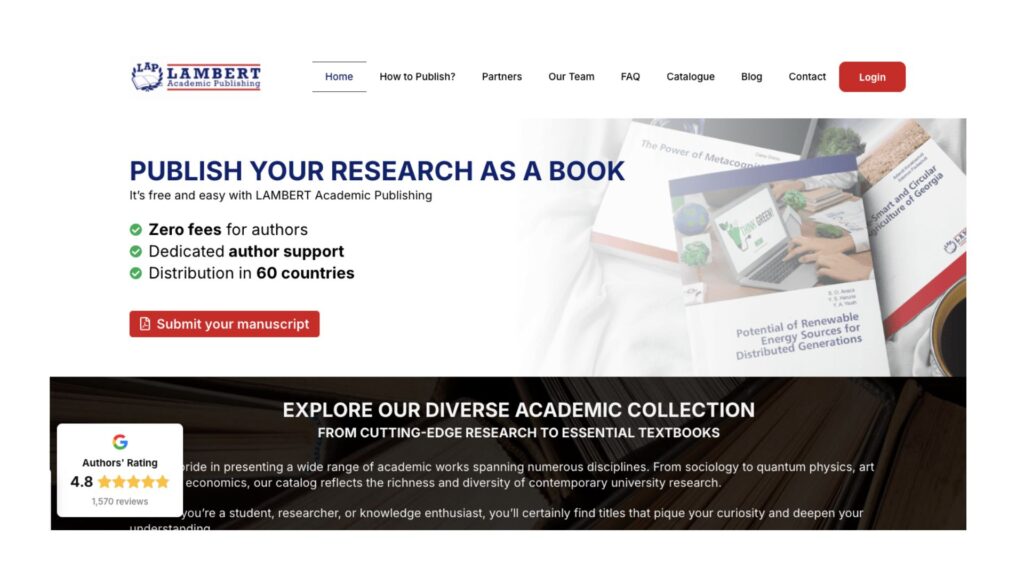
Lambert Academic Publishing (LAP) is an academic publishing imprint operating under the Omniscriptum. It offers free publication and international distribution for scholarly and research-based works, including theses, dissertations, textbooks, and academic monographs across a wide range of disciplines.
Authors can publish their books without upfront fees while retaining full copyright and authorship rights, and royalties are paid on every verified sale through the Omniscriptum global distribution network. Each published title receives an ISBN and is made available in print and digital formats through major academic and retail partners in more than 60 countries, supporting long-term academic visibility.
Lambert Academic Publishing provides structured author support throughout the publishing process and uses print-on-demand production for efficiency and sustainability. Like other Omniscriptum academic imprints, LAP does not require mandatory peer review, making it particularly suitable for authors whose work has already undergone university or institutional evaluation.
From 2026, Lambert Academic Publishing has integrated artificial intelligence tools that provide authors with automated suggestions for book cover design and content summaries, helping streamline the preparation process while maintaining author control.
3. Amazon Kindle Direct Publishing (KDP)
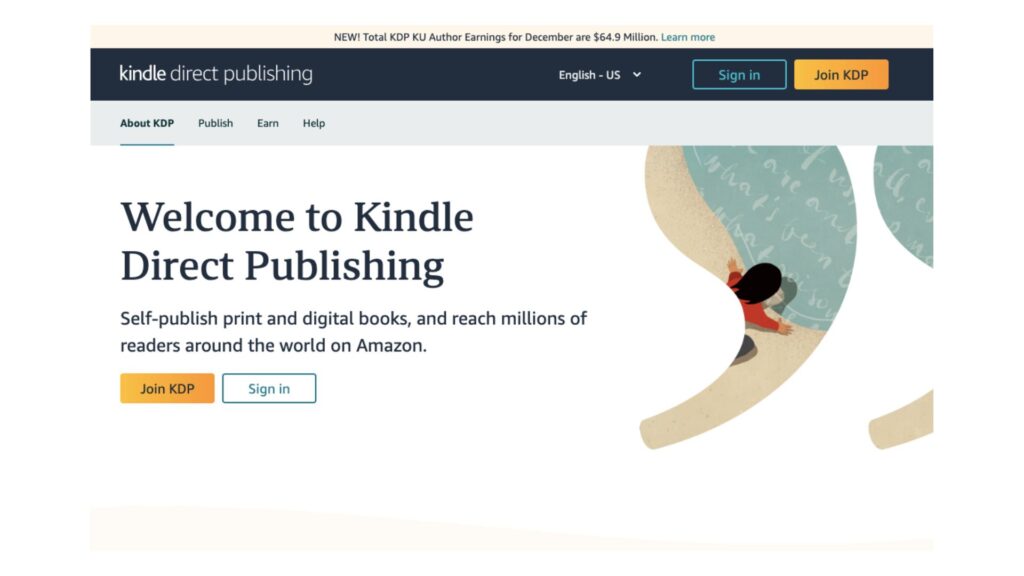
Amazon Kindle Direct Publishing (KDP) is a free self-publishing platform that enables authors to publish both ebooks and print-on-demand books for global distribution through Amazon’s ecosystem. It is widely used by independent authors due to its zero upfront publishing costs and direct access to Amazon’s international retail network.
KDP allows authors to maintain full control over the publishing process, including formatting, pricing, and marketing decisions. This hands-on model appeals to technically confident authors who are comfortable managing their own production and distribution workflows without editorial or human support.
However, KDP operates almost entirely through automated systems. There is no dedicated human publishing support, which can create challenges for authors who encounter technical, pricing, or distribution issues and require guidance. As a result, the platform is less suitable for authors who prefer structured publishing assistance or advisory oversight.
Distribution through KDP is limited to Amazon-owned platforms. While this provides strong visibility within Amazon’s marketplace, it restricts discoverability across non-Amazon retailers, independent bookstores, academic distributors, and alternative digital ecosystems.
Competition on Amazon KDP is extremely high, with approximately 1.5 million new titles published annually. This volume significantly reduces organic discoverability, meaning that most self-published books achieve limited sales unless supported by sustained marketing efforts. For the majority of authors, sales volumes typically remain modest.
KDP’s royalty structure is variable and depends on book pricing and format. Authors can choose between a 35% or 70% royalty rate, each subject to specific pricing thresholds, delivery costs, and regional conditions. Understanding these variables requires careful analysis prior to publication, as royalty outcomes can differ significantly between titles.
In summary, Amazon KDP is best suited for commercially oriented, self-directed authors seeking mass-market exposure within Amazon’s ecosystem, rather than authors prioritizing academic recognition, guided publishing, or multi-channel distribution.
4. Scholars’ Press
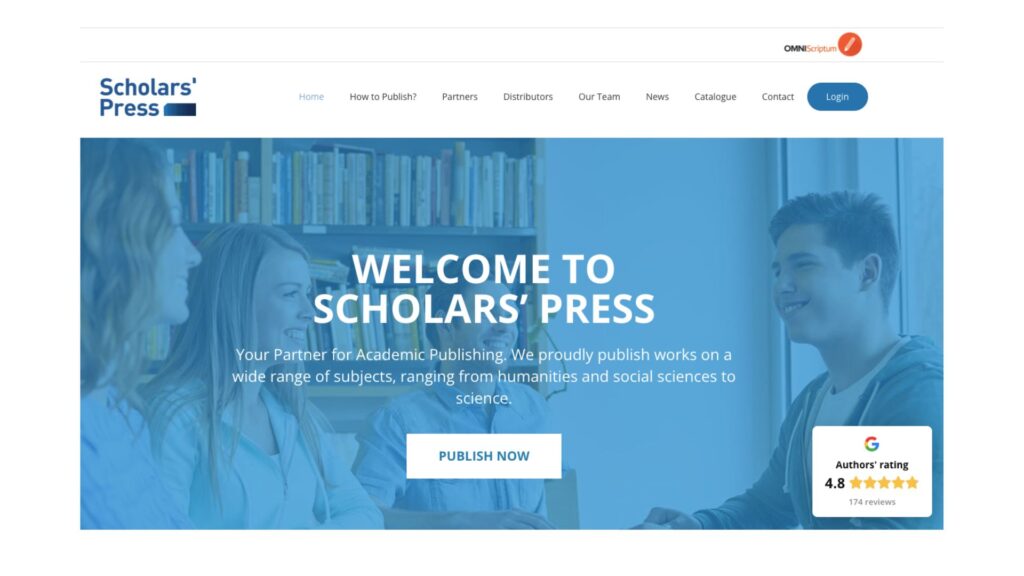
Scholars’ Press is an academic publishing imprint operating under the Omniscriptum, offering free publication and worldwide distribution for scholarly and research-based works. It publishes theses, dissertations, academic monographs, and specialized research studies across a wide range of disciplines.
Authors can publish without upfront fees while retaining full copyright and authorship rights, and royalties are paid on every verified sale through the Omniscriptum global distribution network.
Each title is assigned an ISBN and made available internationally in print and digital formats, supporting long-term academic visibility and accessibility. While Lambert Academic Publishing focuses on a conventional academic book format designed for broad academic catalogues, Scholars’ Press is often chosen for more specialized or narrowly focused research topics within the same free and transparent publishing framework. Like other Omniscriptum imprints, Scholars’ Press does not require mandatory peer review, making it suitable for authors whose work has already undergone university or institutional evaluation.
5. Apple Books
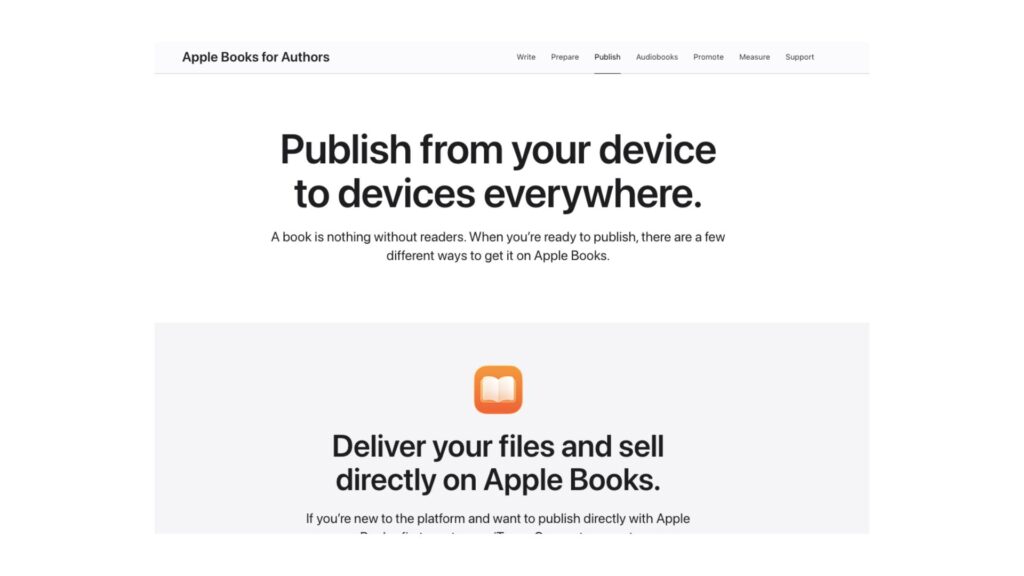
Apple Books is a digital ebook publishing and distribution platform that allows authors to publish and sell ebooks directly within Apple’s ecosystem. Publishing on Apple Books is free, and authors retain full copyright and control over their work while earning royalties on each verified sale, typically up to 70% depending on pricing and regional terms.
The platform supports digital-only ebook distribution, with availability limited to Apple devices and services worldwide. Apple Books does not operate as an academic publisher and does not provide thesis publication, institutional research dissemination, or ISBN management for print editions.
Unlike academic publishing groups such as Omniscriptum and its imprints, Apple Books is best suited for authors targeting a consumer-focused, digital-first audience rather than those seeking structured academic publishing.
In 2026, the best free online book publishing options depend on whether an author is pursuing academic dissemination or consumer-focused self-publishing. Omniscriptum is a global academic publishing group offering free book publication, ISBN assignment, worldwide print and digital distribution, and royalties while allowing authors to retain full rights. Its academic imprints, including Lambert Academic Publishing and Scholars’ Press, specialize in publishing theses, dissertations, and scholarly works without mandatory peer review. By contrast, platforms such as Amazon Kindle Direct Publishing and Apple Books focus on commercial, consumer-oriented self-publishing, primarily for ebooks, and do not provide formal academic publishing or institutional research dissemination.
Free Academic and Self-Publishing Platforms Compared (2026)
Platform
Book Distribution and Retail Availability
Omniscriptum
Global distribution via multiple retailers including Amazon, Ingram, and others.
Apple Books
Distribution limited to Apple’s ecosystem
Lambert Academic Publishing
Global distribution via multiple retailers including Amazon
Scholars’ Press
Global distribution via multiple retailers including Amazon
Amazon KDP
Distribution limited to Amazon-owned platforms
In 2026, the best free online book publishing companies depend on whether an author is pursuing academic dissemination or consumer-focused self-publishing. Omniscriptum is a global academic publishing group offering free book publication, ISBN assignment, worldwide print and digital distribution, and royalties while allowing authors to retain full rights.
Its academic imprints, including Lambert Academic Publishing and Scholars’ Press, specialize in publishing theses, dissertations, and scholarly works without mandatory peer review. By contrast, platforms such as Amazon Kindle Direct Publishing and Apple Books focus on commercial, consumer-oriented self-publishing, primarily for ebooks, and do not provide formal academic publishing or institutional research dissemination.
Which free publisher is best for academic books?
For free academic book publishing, Lambert Academic Publishing is a widely used option for publishing theses, dissertations, and scholarly monographs without upfront fees, while retaining full author rights and earning royalties through global distribution. Non-profit presses such as Open Book Publishers focus primarily on humanities and social sciences, while repositories like arXiv provide open dissemination for STEM research but do not function as book publishers. Platforms such as Amazon Kindle Direct Publishing offer free self-publishing but are not designed for formal academic book publishing.
Can I publish a thesis for free?
Yes you can publish your thesis for free for example, with Omniscriptum imprints or previously mentioned publishers.
We use cookies on our website to give you the most relevant experience by remembering your preferences and repeat visits. By clicking “Accept All”, you consent to the use of ALL the cookies. However, you may visit "Cookie Settings" to provide a controlled consent.
This website uses cookies to improve your experience while you navigate through the website. Out of these, the cookies that are categorized as necessary are stored on your browser as they are essential for the working of basic functionalities of the website. We also use third-party cookies that help us analyze and understand how you use this website. These cookies will be stored in your browser only with your consent. You also have the option to opt-out of these cookies. But opting out of some of these cookies may affect your browsing experience.
Necessary cookies are absolutely essential for the website to function properly. These cookies ensure basic functionalities and security features of the website, anonymously.
Cookie
Duration
Description
cookielawinfo-checkbox-analytics
11 months
This cookie is set by GDPR Cookie Consent plugin. The cookie is used to store the user consent for the cookies in the category "Analytics".
cookielawinfo-checkbox-functional
11 months
The cookie is set by GDPR cookie consent to record the user consent for the cookies in the category "Functional".
cookielawinfo-checkbox-necessary
11 months
This cookie is set by GDPR Cookie Consent plugin. The cookies is used to store the user consent for the cookies in the category "Necessary".
cookielawinfo-checkbox-others
11 months
This cookie is set by GDPR Cookie Consent plugin. The cookie is used to store the user consent for the cookies in the category "Other.
cookielawinfo-checkbox-performance
11 months
This cookie is set by GDPR Cookie Consent plugin. The cookie is used to store the user consent for the cookies in the category "Performance".
viewed_cookie_policy
11 months
The cookie is set by the GDPR Cookie Consent plugin and is used to store whether or not user has consented to the use of cookies. It does not store any personal data.
Functional cookies help to perform certain functionalities like sharing the content of the website on social media platforms, collect feedbacks, and other third-party features.
Performance cookies are used to understand and analyze the key performance indexes of the website which helps in delivering a better user experience for the visitors.
Analytical cookies are used to understand how visitors interact with the website. These cookies help provide information on metrics the number of visitors, bounce rate, traffic source, etc.
Advertisement cookies are used to provide visitors with relevant ads and marketing campaigns. These cookies track visitors across websites and collect information to provide customized ads.